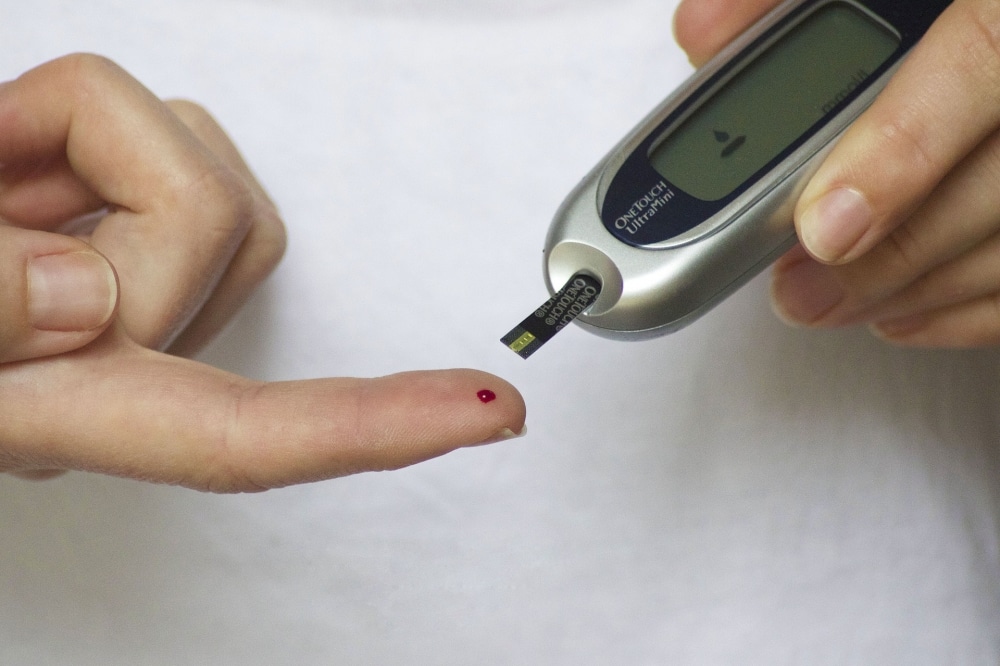
Diabetic neuropathy is a complication of long term diabetes mellitus (type 1 or type 2) in which the nerves are affected or damaged by diabetes. It affects approximately 50% of people with diabetes and many don’t even know they have it until it is diagnosed by a doctor. Of those people with diabetic neuropathy, approximately 50% will experience significant (neuropathic/nerve) pain – this is then known as painful diabetic neuropathy (PDN) or painful diabetic peripheral neuropathy (peripheral meaning of the nerves outside of the central nervous system). As the diabetes epidemic worsens, the incidence of PDN is only going to increase.
Symptoms & Diagnosis
PDN most commonly affects the nerves of the feet (and less commonly the hands). Typical signs and symptoms include:
- Numbness
- Burning, sharp, stabbing, shooting, stinging and/or electric shock type pain
- Tingling / pins-and-needles (paraesthesia)
- Deep aching / throbbing pain
- Weakness or poor balance
- Increased sensitivity to painful stimuli (hyperalgesia)
- Sensitivity to non-painful stimuli (allodynia), such as temperature or light touch
- Loss of sensation (i.e. to heat or cold).
These symptoms can also lead to deformities or sores in the feet and an increased risk of falls, which may lead to serious injury.
In most cases, the pain is worse at night and can disturb sleep. Daily activities and functioning may also be affected. Patients with PDN are also likely to develop depression.
Usually, both of the feet (or hands) are affected, with symptoms eventually spreading up the limbs in a stocking (or glove) like pattern.
Diagnosis
If you have diabetes and experience any of the above symptoms, it is important to talk about them with your doctor.
Tests to assess nerve function and detect nerve damage may be performed. These include nerve conduction studies and electromyography (EMG). Foot exams may also help to diagnoses peripheral diabetic neuropathy.
What Causes PDN?
Several studies have shown that numerous factors lead to the development of diabetic neuropathy. High blood glucose levels (hyperglycaemia) and poor control of that is a prime culprit, as well as high blood fat levels (hyperlipidaemia, especially triglycerides) and other metabolic factors.
For painful diabetic neuropathy, studies further implicate vascular factors, such as abnormalities in arteries, veins and small blood vessels, and impaired blood flow in peripheral nerves and in the skin (microcirculation), especially of the feet. Recent studies have also indicated involvement of the central nervous system, especially the autonomic nervous system.
Risk Factors
Risk factors for diabetic peripheral neuropathy (and hence PDN) include:
- Long duration of diabetes
- Smoking
- Alcoholism
- Obesity
- Genetics
- Vitamin B12 deficiency
- Chronic inflammation
High blood glucose levels (hyperglycaemia) significantly increases the risk of PDN (primarily in diabetes type 1) as this is a strong driver of nerve injury.
Metabolic syndrome, which is a collection of conditions, is another significant driver of PDN. This includes obesity, hypertension, low HDL cholesterol (good cholesterol) and hypertriglyceridemia (high level of triglycerides, a type of fat, in the blood).
Current Treatment Options
Unfortunately, there is no cure for PDN. The focus is on early diagnosis of neuropathy, management of the underlying diabetes and employing strategies or therapies to prevent or slow the progression of diabetic peripheral neuropathy and hence PDN, otherwise, treatment is focused on relieving symptoms.
Prevention & Management
The main prevention/management strategy is maintenance of near-normal blood glucose levels (glycaemic control), although this is difficult to achieve in diabetes type 2 patients. Intensive glycaemic therapy has been shown to effectively reduce the risk of PDN in patients with type I diabetes.
Diabetic patients may also reduce their risk by:
- Managing blood pressure (hypertension)
- Quitting smoking
- Ceasing or reducing alcohol intake
- Improving diet – reducing fat intake (especially for managing hyperlipidemia)
- Maintaining a healthy weight
- Exercising – at least 150 minutes per week is recommended by the American Diabetes Association
- Foot care – regular check-ups and taking care of the feet is important (i.e. wearing supportive footwear)
Symptom Treatment
Analgesic Medications – Certain classes of drugs used to treat neuropathic pain may be used for PDN. Their availability may differ between countries, depending on whether they have been approved or not. These include:
- Antiepileptics – e.g.: pregabalin, gabapentin, sodium valproate.
- Tricyclic antidepressants (TCAs) – e.g.: amitriptyline, nortriptyline.
- Serotonin-norepinephrine reuptake inhibitors (SNRIs) – e.g.: duloxetine, venlafaxine.
- Opioids – e.g.: oxycodone, tramadol, tapentadol.
- Others – e.g.: α-lipoic acid (a powerful antioxidant), capsaicin cream, lidocaine cream or patches.
Non-Pharmaceutical – Exercise therapy may improve pain and symptoms in patients. Other treatments include transcutaneous electrical nerve stimulation (TENS), spinal cord stimulation (SCS), deep brain stimulation (DBS), electromagnetic stimulation, however the evidence of effectiveness for these therapies is limited.
New & Emerging Treatments
There is a dire need for innovative drugs to treat neuropathic pain conditions. Current drug options are rather non-specific and many are not well tolerated. With a better understanding of the mechanisms causing diabetic neuropathy and neuropathic pain, more effective treatments, with hopefully less side effects, may be developed.
One promising drug, known as a dual enkephalinase inhibitor, was shown to be effective in reducing pain in patients who were not getting enough relief with their current analgesic medication(s). Enkephalins are analgesic compounds that the body produces during times of pain (or stress etc), though they are normally quickly degraded. This drug inhibits their degradation at the site of peripheral nociceptors (which are sensory receptors located on the ends of peripheral nerves that detect and relay painful signals to the brain).
Also promising is a drug that binds to and blocks the activity of the angiotensin II type 2 receptor (AT2R), which is found on peripheral nerves and has a role in producing peripheral neuropathic pain and chronic inflammatory pain. The drug has demonstrated clinical validity in a clinical trial in patients with postherpetic neuralgia and is soon to be trialled in PDN.
Clinical Trials
Genesis Research Services conducts clinical trials for a range of painful conditions. To view currently recruiting studies or register your interest for future studies, click here or call us on (02) 4985 1860.
References:
- “Diabetic neuropathy” Better Health Channel (Department of Health & Human Services, State Government of Victoria, Australia) 2013:
https://www.betterhealth.vic.gov.au/health/conditionsandtreatments/diabetic-neuropathy - “Peripheral Neuropathy” American Diabetes Association 2013:
http://www.diabetes.org/living-with-diabetes/complications/neuropathy/peripheral-neuropathy.html - Hesselink JM and Schatman ME. “EMA401: an old antagonist of the AT2R for a new indication in neuropathic pain” Journal of Pain Research 2017; 10: 439-443.
https://www.ncbi.nlm.nih.gov/pmc/articles/PMC5325092/ (free article) - Javed S, Petropoulos IN, Alam U and Malik RA. “Treatment of painful diabetic neuropathy” Therapeutic Advances in Chronic Disease 2015; 6(1): 15-28. https://www.ncbi.nlm.nih.gov/pmc/articles/pmid/25553239/ (free article)
- Kaur S, Pandhi P and Dutta P. “Painful diabetic neuropathy: an update” Annals of Neurosciences 2011; 18(4): 168-175.
https://www.ncbi.nlm.nih.gov/pmc/articles/pmid/25205950/ (free article) - Peltier A, Goutman SA and Callaghan BC. “Painful diabetic neuropathy” BMJ 2014; 348: g1799.
https://www.ncbi.nlm.nih.gov/pubmed/24803311 - Rice ASC, Dworkin RH, McCarthy TD, et al. “EMA401, an orally administered highly selective angiotensin II type 2 receptor antagonist, as a novel treatment for postherpetic neuralgia: a randomised, double-blind, placebo-controlled phase 2 clinical trial” Lancet 2014; 383(9929): 1637-1647.
https://www.ncbi.nlm.nih.gov/pubmed/24507377 - Sadosky A, Hopper J and Parsons B. “Painful Diabetic Peripheral Neuropathy: Results of a Survey Characterizing the Perspectives and Misperceptions of Patients and Healthcare Practitioners” Patient 2014; 7(1): 107-114.
https://www.ncbi.nlm.nih.gov/pmc/articles/PMC3929775/ (free article) - Snyder MJ, Gibbs LM and Lindsay TJ. “Treating Painful Diabetic Peripheral Neuropathy: An Update” American Family Physician 2016; 94(3): 227-234. https://www.aafp.org/afp/2016/0801/p227.html (free article)
- Tesfaye S and Selvarajah D. “Advances in the epidemiology, pathogenesis and management of diabetic peripheral neuropathy” Diabetes/Metabolism Research and Reviews 2012; 28(S1): 8-14.
https://www.ncbi.nlm.nih.gov/pubmed/22271716 (free article) - Tesfaye S, Selvarajah D, Gandhi R, Greig M, Shillo P, Fang F and Wilkinson ID. “Diabetic peripheral neuropathy may not be as its name suggests: evidence from magnetic resonance imaging” Pain 2016; 157(S1): S72-80.
https://www.ncbi.nlm.nih.gov/pubmed/26785159